Japanese Knotweed Treatment
PCA-accredited treatment programmes with 10-year insurance-backed guarantees. Professional, RICS-compliant solutions that satisfy mortgage lenders and protect your property.
Understanding Japanese Knotweed
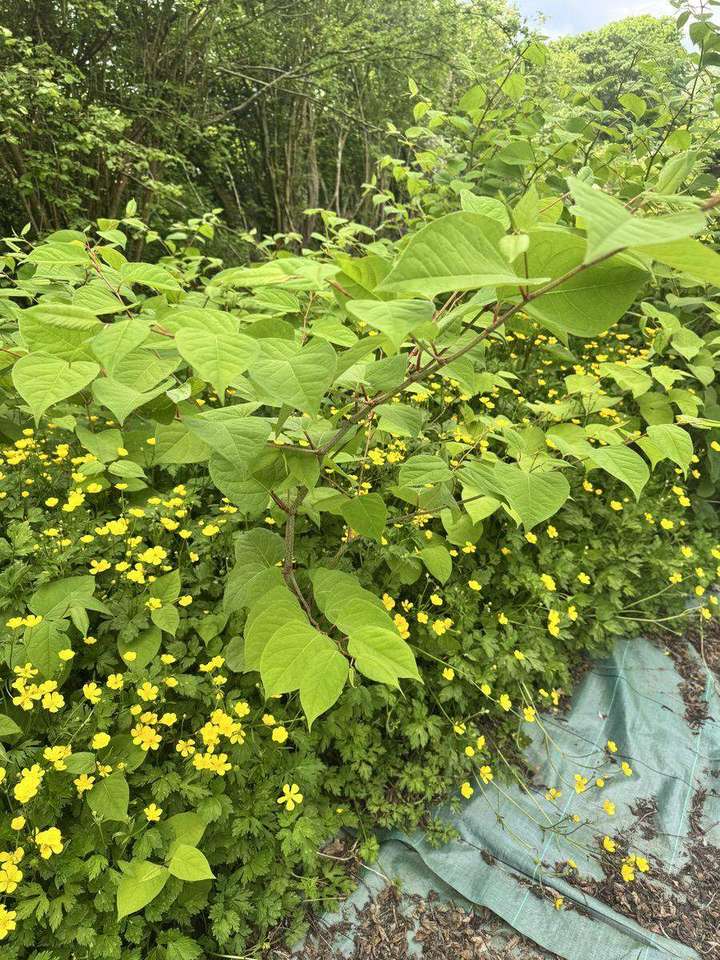
Japanese knotweed (Fallopia japonica) is widely regarded as the most destructive invasive plant species in the United Kingdom. Originally introduced as an ornamental garden plant in the mid-19th century, it has since spread across the country, colonising riverbanks, railway embankments, roadsides, brownfield sites and residential gardens. The plant is extraordinarily vigorous: its rhizome network can extend up to three metres deep and seven metres laterally from the visible above-ground growth, and a fragment of rhizome as small as a fingernail can regenerate into an entirely new plant.
The damage caused by Japanese knotweed is not merely cosmetic. Its powerful rhizomes can exploit weaknesses in concrete, tarmac, drainage systems and building foundations, leading to significant structural damage over time. The presence of knotweed within seven metres of a habitable space is now a material consideration in property valuations, and most mortgage lenders will decline to lend on affected properties without a professional management plan in place. Beyond the structural risks, there are serious legal obligations to consider. Under the Wildlife and Countryside Act 1981, it is an offence to cause Japanese knotweed to grow in the wild, and any soil or plant material contaminated with knotweed is classified as controlled waste under the Environmental Protection Act 1990, requiring licensed disposal.
At Fortis Ecology, we have treated thousands of knotweed infestations across the UK, from small residential gardens to large-scale development sites. Our PCA-accredited technicians use proven treatment methodologies tailored to the specific conditions of each site. We understand that a knotweed diagnosis can feel overwhelming, but with the right professional approach, it is a manageable problem with a clear path to resolution. Every treatment programme we deliver comes with a comprehensive, insurance-backed guarantee, giving you and your lender the assurance you need.
Treatment Methods
We offer a range of treatment options, selected based on site conditions, the extent of the infestation, timescales and budget. Our most common approaches include:
- Herbicide treatment programme — a systematic course of glyphosate-based applications over a 3 to 5-year period, targeting the rhizome network to achieve full eradication. This is the most cost-effective approach for established infestations where time permits.
- Excavation and removal — physical excavation of all knotweed-contaminated soil, with off-site disposal at a licensed waste facility. This provides the fastest resolution and is often required on development sites with tight programme timescales.
- On-site burial (cell encapsulation) — excavated knotweed material is buried within a designated cell on site, encapsulated with root barrier membrane. This reduces disposal costs whilst keeping contaminated material contained and compliant.
- Combined approach — a phased strategy combining herbicide pre-treatment with subsequent excavation, reducing the volume of contaminated material and overall project cost.
Species Focus: Japanese Knotweed
- Scientific name: Fallopia japonica
- Identification: Shield-shaped leaves, hollow bamboo-like stems with purple speckles, clusters of creamy-white flowers in late summer
- Growth pattern: Grows up to 3 metres tall between April and October, dies back to ground level in winter leaving distinctive brown woody canes
- Spread rate: Rhizome network can extend up to 7 metres horizontally and 3 metres deep; capable of growing through asphalt and concrete
- Legal status: Listed on Schedule 9 of the Wildlife and Countryside Act 1981; controlled waste under the Environmental Protection Act 1990
Our 4-Step Treatment Process
-
1. Survey & Assessment
A PCA-accredited surveyor inspects your site, maps the full extent of the infestation including below-ground rhizome spread, and assesses risks to structures and neighbouring properties. We produce a detailed report and RICS-compliant management plan.
-
2. Treatment Plan & Documentation
We design a bespoke treatment programme for your site, specifying the methodology, timeline, costs and expected outcomes. All documentation is prepared to RICS standards and is suitable for submission to mortgage lenders, solicitors and local authorities.
-
3. Treatment & Monitoring
Our qualified technicians carry out treatment in accordance with the agreed plan. For herbicide programmes, this typically involves two to three applications per growing season with ongoing monitoring. Excavation projects are managed to strict environmental controls with full waste transfer documentation.
-
4. Certification & Guarantee
Upon successful completion of the treatment programme, we issue a completion certificate and activate your insurance-backed guarantee. We continue to monitor the site during the guarantee period and will retreat at no additional cost should any regrowth occur.
Frequently Asked Questions
How long does treatment take?
A herbicide treatment programme typically runs over three to five growing seasons, with applications made between spring and autumn each year. This timeframe allows the herbicide to systematically destroy the extensive rhizome network below ground. If your project requires faster resolution, excavation can clear a site in a matter of days, though costs are higher. We will always recommend the most appropriate approach for your circumstances and timescales.
Will knotweed affect my mortgage?
In most cases, yes. The majority of UK mortgage lenders will not approve finance on a property where Japanese knotweed is present without a professional management plan in place. Some lenders require that a treatment programme has already commenced. Our RICS-compliant management plans and insurance-backed guarantees are specifically designed to satisfy lender requirements, and we work regularly with conveyancing solicitors to ensure smooth transactions.
Is it illegal to have knotweed?
It is not illegal to have Japanese knotweed on your property. However, it is an offence under the Wildlife and Countryside Act 1981 to cause it to grow in the wild, which means allowing it to spread beyond your boundary could result in prosecution. Additionally, the Anti-social Behaviour, Crime and Policing Act 2014 enables local authorities to issue community protection notices requiring landowners to control knotweed that is affecting neighbours. The key legal obligation is to manage it responsibly and prevent its spread.
What guarantee do you provide?
All Fortis Ecology knotweed treatment programmes come with a 10-year insurance-backed guarantee, underwritten by a regulated insurer. This means that if knotweed regrows during the guarantee period, we will retreat the site at no additional cost. The guarantee documentation is transferable to new property owners and is accepted by all major UK mortgage lenders. It provides genuine, long-term protection for your investment.