Rhododendron Clearance
Reclaiming native woodland and heathland from invasive Rhododendron ponticum
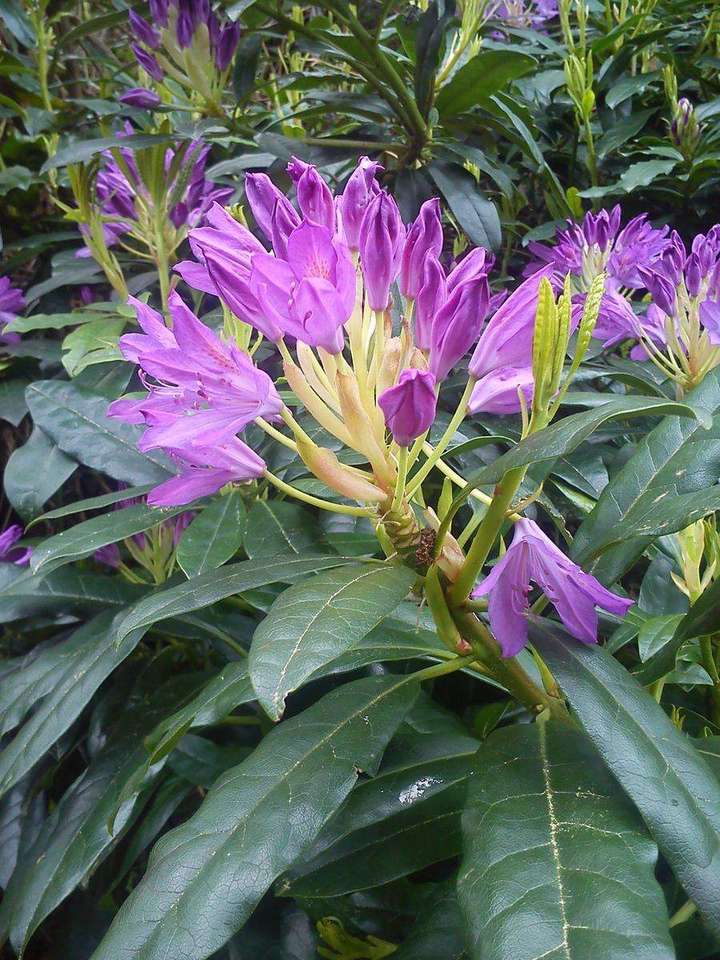
The Rhododendron Problem in the UK
Rhododendron ponticum was introduced to Britain in the eighteenth century as an ornamental shrub and for game cover on country estates. It thrived in the UK’s mild, damp climate and acidic soils, and has since spread to become one of the most damaging invasive plant species in the country. It now occupies an estimated 98,000 hectares of land across Britain, with particularly severe infestations in western and northern woodlands, heathlands and upland areas where conditions are ideal for its growth.
The ecological impact of unchecked rhododendron is severe. Its dense, evergreen canopy creates year-round shade so heavy that virtually no native ground flora can survive beneath it. Over time, this eliminates wildflowers, mosses, ferns and the seedlings of native trees, effectively converting diverse woodland into a monoculture. The leaf litter it produces acidifies the soil further, creating conditions hostile to the native species that would otherwise regenerate. Perhaps most seriously, rhododendron is the primary host for Phytophthora ramorum, the pathogen responsible for sudden oak death and larch dieback—diseases that are causing significant losses in UK forestry.
While rhododendron ponticum is not currently listed under Schedule 9 of the Wildlife and Countryside Act, it is widely recognised as a serious invasive non-native species by Natural England, NatureScot and Natural Resources Wales. Many Sites of Special Scientific Interest (SSSIs), Special Areas of Conservation (SACs) and national parks have active management programmes targeting rhododendron, and landowners in designated areas may face obligations to control it under management agreements or conditions of environmental stewardship schemes.
Why Professional Clearance Is Essential
Rhododendron is notoriously difficult to eradicate. It regenerates vigorously from cut stumps, produces vast quantities of tiny wind-dispersed seeds, and can layer new plants wherever its branches touch the ground. A poorly executed clearance—cutting without stump treatment, for example—often results in denser regrowth than the original stand. Professional clearance by an experienced team ensures that every stem is treated, stumps are properly managed, and follow-up monitoring prevents regeneration from seeds or missed root fragments.
Fortis Ecology brings specialist equipment, trained operatives and proven methods to every rhododendron project. Our teams have cleared sites ranging from small garden borders to multi-hectare woodland estates, and we work closely with conservation bodies, forestry managers and developers to deliver results that meet both ecological and commercial objectives. All work is carried out with full environmental safeguards, and cleared biomass is removed or processed on site through licensed waste management channels.
Our Clearance Methods
- Cut-and-treat — The most widely used approach. Stems are cut close to ground level using chainsaws and brushcutters, and the exposed stumps are immediately treated with an approved herbicide to prevent regrowth. This method is highly effective and suitable for most site conditions.
- Mechanical excavation — For large-scale infestations or sites where rapid clearance is required, we deploy excavators fitted with specialist attachments to remove rhododendron root and branch. This approach is particularly effective on development sites where ground works are planned.
- Foliar spray — Where access is difficult or the infestation consists of young regrowth, targeted foliar herbicide application can be used to treat plants in situ. All herbicide work is carried out by NPTC-qualified operatives using precision application methods.
- Stump treatment — Critical to preventing regrowth. Every cut stump is treated with a glyphosate-based herbicide applied directly to the cambium layer within minutes of cutting, ensuring the active ingredient is drawn into the root system.
Habitat Restoration After Clearance
Removing rhododendron is only half the job. Without a restoration plan, cleared areas are vulnerable to recolonisation by rhododendron seedlings or other invasive species. Fortis Ecology offers comprehensive aftercare programmes that include native replanting, soil assessment and ongoing monitoring to ensure the site transitions to a healthy, biodiverse state. We can design restoration schemes that promote native woodland regeneration, heathland recovery or wildflower establishment depending on the site’s ecology and your objectives.
Species Focus
- Rhododendron ponticum — Evergreen shrub growing up to 8 metres, with leathery dark-green leaves and clusters of purple-pink flowers in late spring. Spreads by seed, layering and suckering. The primary invasive rhododendron species in the UK.
- Hybrid rhododendrons — R. ponticum readily hybridises with cultivated varieties, producing vigorous offspring that share its invasive tendencies. We identify and manage hybrid populations alongside pure ponticum stands.
Our Four-Step Process
Survey
Our ecologists assess the extent and density of the infestation, map the clearance area and identify any ecological sensitivities such as protected species or watercourses.
Plan
We prepare a detailed clearance and restoration plan with method statements, risk assessments, waste management arrangements and a transparent fixed-price quotation.
Clear
Our specialist teams carry out the clearance using the agreed methods, with all biomass removed or processed on site. Stumps are treated immediately to prevent regrowth.
Restore
Follow-up visits monitor for regrowth and seedling establishment, with native replanting carried out where appropriate to accelerate habitat recovery.
Frequently Asked Questions
Why is rhododendron a problem?
Rhododendron ponticum causes extensive ecological damage by creating dense shade that eliminates native ground flora, acidifying soil through its leaf litter, and acting as a reservoir for Phytophthora ramorum—the pathogen behind sudden oak death and larch dieback. It spreads prolifically through wind-dispersed seeds and vegetative layering, and without active management it will progressively displace native woodland and heathland habitats.
What clearance method is best?
The most appropriate method depends on the size and location of the infestation, site access and your timescales. Cut-and-treat is the most common and cost-effective approach for the majority of sites. Mechanical excavation is preferred where rapid clearance is needed or ground works are planned, while foliar spraying suits inaccessible areas or young regrowth. Our ecologists will recommend the best approach following the site survey, and we often combine methods on larger projects for optimal results.
How do you prevent regrowth?
Preventing regrowth is critical and requires a combination of thorough stump treatment at the time of cutting and follow-up monitoring over subsequent seasons. Every stump is treated with herbicide within minutes of being cut to ensure the active ingredient penetrates the root system. We then carry out monitoring visits to identify and treat any regrowth from seeds or missed root fragments. Most sites require two to three years of aftercare before we are confident the rhododendron has been fully eradicated.
What happens to the cleared material?
Cleared rhododendron biomass is managed in accordance with environmental regulations. On larger sites, material is typically chipped on site and either removed to a licensed waste facility or, where appropriate, used as mulch or habitat piles. Smaller volumes are removed by our teams and disposed of through licensed waste carriers. We handle all waste management logistics as part of the quoted price, so there are no surprises or additional charges for disposal.